



The Medicare GLP-1 Bridge program offers certain eligible people access to select weight-management drugs for a $50 copay. Learn what's covered and who may qualify.

Annual Enrollment for Medicare runs October 15 – December 7, 2026. Here's what to know about comparing plans, key dates, and how to get ready.

June is Alzheimer's & Brain Awareness Month. Learn how Medicare supports cognitive health with wellness visits, dementia care planning, and caregiver resources.
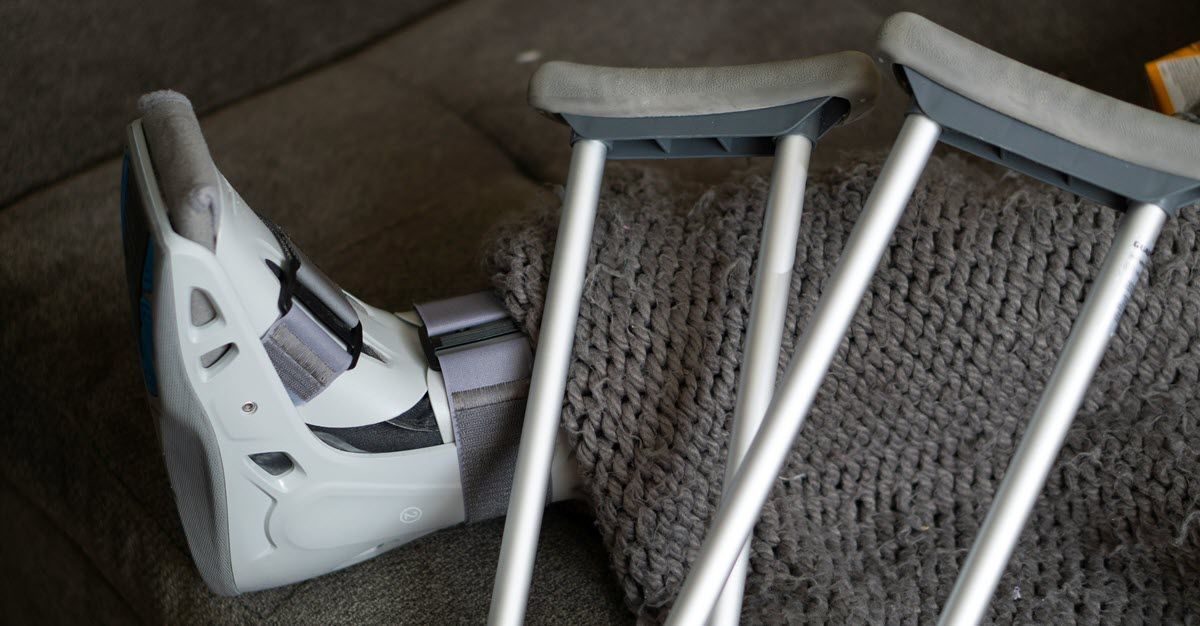
Only 35% of workers have employer-sponsored long-term disability coverage. Learn why offering STD and LTD benefits boosts recruiting, retention, and morale.

Medicare expands access to virtual diabetes prevention programs and repeat participation, improving access for seniors at risk of Type 2 diabetes.

A long-term care event can drain your savings and burden your family. Learn why planning ahead with long-term care insurance helps protects everyone you love.

Learn how critical illness insurance can help cover everyday expenses after a serious diagnosis. Discover how it works and what it covers.

This guide shows how HSAs work, their tax benefits, and how employers can help employees use them effectively for healthcare and long-term savings.

Learn how Medicare covers mental health services, including therapy, counseling, and screenings, and how to access support when you need it.

Whether you’re planning a weekend getaway or a long-awaited international adventure, setting off on a trip is always exciting—but can also be unpredictable. That’s why preparing for the unexpected, especially when it comes to your health, is essential. Knowing what your medical coverage includes (and doesn’t) while traveling can help you stay healthy, avoid costly surprises, and soak up the unforgettable moments on your journey. Let’s walk through some proactive steps you can take before packing your bags—from vaccinations and insurance to emergency planning and fraud protection. 1. Know What Your Health Plan Covers—And Where Medical surprises aren’t on anyone’s itinerary—but it’s best to be prepared. Start by knowing how your insurance policy covers (or doesn’t) the region you’re traveling to. Individual health policyholders, review your insurer’s network coverage. Some plans only cover in-network or state-specific services, while others offer broader emergency coverage or travel-specific riders. Consult your insurance agent to get help reviewing your policy. Medicare beneficiaries, Original Medicare (Parts A & B) typically doesn’t cover medical care outside the U.S., except in limited circumstances. If you have a Medicare Advantage Plan, it may include emergency and urgent coverage abroad, but this varies by provider. Check your plan’s Evidence of Coverage or speak to your plan representative before traveling. 2. Consider Supplemental Insurance If you're a frequent traveler or heading abroad, look into some options to help cover you. Some options include: Travel Medical Insurance : Plans offer emergency coverage during trips outside the U.S. and tend to be affordable. Evacuation Insurance : This covers transport to a qualified medical facility if the nearest care is inadequate. An evacuation clause is often, but not always, included in a travel insurance plan. Medicare Supplement Insurance (Medigap) : Some Medigap policies cover emergency care abroad, typically up to plan limits and with a deductible. Critical Illness Insurance : A lump-sum payout can provide financial flexibility in case you’re diagnosed with a covered condition like a heart attack or stroke during travel. Be sure to read the fine print—some policies require you to be under a certain age, and preexisting conditions may not be covered. Your licensed insurance agent can help talk you through your options. 3. Keep Your Medical Info Handy Consider using a secure health app or digital wallet to access all your health records quickly. But just in case your phone is inaccessible, bring physical copies of these important documents as well: Your insurance or Medicare cards Emergency contact numbers (include the country code +1 if you’re traveling abroad) A medication list with dosages Allergy and medical condition alerts Pack all essential paperwork together in a waterproof sleeve in your luggage, and leave a second copy with someone back home. 4. Schedule Preventive Care Before Departure Most insurance plans cover preventive care services like wellness visits, vaccinations, and screenings. Before your trip, check these tasks off your list: Get vaccinated : Make sure you’re up to date on your flu, COVID-19, and tetanus shots. If traveling internationally, check the CDC recommendations for the region you’re visiting, which may include Hepatitis A/B, typhoid, or yellow fever vaccinations. Stock up on medications : Make sure you have enough for your entire trip, including extras in case of delays. Some health insurance plans offer mail-order pharmacy options. Visit your provider : Discuss any destination-specific risks and request a travel health consultation if needed. 5. Prepare for Fraud Protection Abroad Travelers are common targets for scams. If you’re a Medicare beneficiary, protect your Medicare number like a credit card. Fraudsters may try to use it to get free services or access your personal health data. Tips: Never share your Medicare number via phone or email. Use only official websites or verified agents to review your policy while traveling. Regularly check your policy’s Explanation of Benefits (EOB) for suspicious claims. 6. Create a Medical Emergency Plan Ask yourself some questions to be ready for an emergency: Where is the nearest hospital or clinic? Do they accept your insurance? What’s the procedure if you need medical evacuation? If you have any medical conditions, it’s wise to carry an alert card in your wallet, including translated versions if you’re traveling in areas where English is not commonly spoken. 7. Stay Active and Healthy on the Go To adapt an old phrase: Health never takes a vacation . It’s all too easy to leave good habits behind when you head out on a trip, but taking care of your body is just as important whether you’re at home or away. Move regularly : Stretch and walk every few hours, especially on long flights or bus rides. Hydrate, hydrate, hydrate! Drink plenty of water to counter the effects of extra activities, extra sun—and maybe that extra mai tai on the beach. Eat balanced meals: Meals on the go tend to lack a healthy dose of fiber, which can lead to digestive distress. Be sure to seek out veggies and whole grains or consider bringing a fiber supplement with you. Rest : Fatigue lowers immunity. Don’t skip on sleep! Keep germs at bay: Use hand sanitizer, wash your hands frequently, and consider wearing a mask on crowded airplanes or mass transit. Don’t forget these essentials to keep yourself feeling your best—so you can focus on making great memories. Conclusion Travel is one of life’s great joys—but staying healthy and protected while you’re away starts long before you leave home. By understanding your health insurance benefits, considering supplemental coverage, and taking simple precautions, you can set off with confidence. Whether you’re hiking the Rockies or relaxing on a beach in Mexico, being prepared means you can focus on the adventure ahead. Safe travels!
